
How to take ADHD Medication Safely Guide
How to take ADHD Medication Safely is essential in other to get the best results while managing ADHD Symptoms. ADHD stands for Attention-Deficit/Hyperactivity Disorder which is is a neurodevelopmental condition that affects how the brain controls attention, activity level, and impulses. It is a mental health disorder Affecting millions of people Around the world.
People with ADHD may have trouble focusing, staying organized, remembering tasks, or finishing work. Often some may feel restless, fidgety, or constantly “on the go. While others act impulsively, such as interrupting or making quick decisions without thinking. ADHD Symptoms may differ between diffrent people, from other Not everyone experiences all of these symptoms.
There are three types of ADHD: inattentive, hyperactive-impulsive, and combined. ADHD affects both children and adults. As kids can be diagnosed from the age of 6 when school demands increase, with symptoms needing to appear before age 12 and persist in multiple settings like home and school. It is not related to intelligence or effort, and often runs in families. Importantly ADHD can be effectively managed with routines, behavioral strategies, therapy, medication, and support at school or work, it cannot be cured.
Guide to safely Take ADHD medications
ADHD ( Attention-Deficit/Hyperactivity Disorder) is a mental health Disorder affecting the daily lives of millions of people across the world. From children from 6, to adolescent to Adults, making diagnosed with ADHD face difficulties in focusing, staying organized, remembering tasks, or finishing work.
To get better and effect result in managing ADHD Symptoms, taking ADHD medication ( stimulant and non-stimulant
) safely is essential while minimizing side effects. Whether you’re newly diagnosed or have been on treatment for years, this guide is aim to make you better understanding proper ADHD drugs use. This can help improve focus, emotional regulation and also daily functioning.
Importantly this guide explains how to take ADHD medication . What to avoid, and how to get the best results from your treatment plan.
1. Follow Your ADHD Medication Exactly as Prescribed
This is one of the most important ADHD medication safety rules. Take your medication exactly as prescribed by your healthcare provider.
Take only the recommended dose at the prescribed time. Never increase or decrease the dosage without your Doctor’s advice.
Avoid skipping doses or stopping suddenly as this can lead to withdrawal symptoms.
If you miss a dose, do not double up unless instructed
Misusing ADHD medication can increase the risk of side effects and reduce its effectiveness.
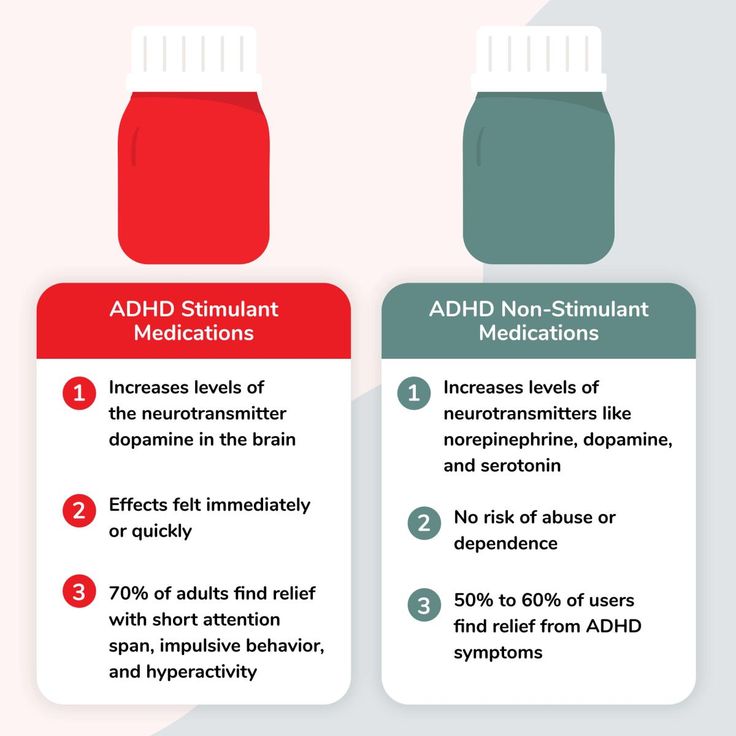
2. Understand the Type of ADHD drugs (stimulant and Non Stimulant medications)
Know the Type of ADHD Medication You Take
Knowing whether your medication is a stimulant or non-stimulant helps you use it safely and effectively.
Stimulant ADHD Medications
Examples: methylphenidate, amphetamine-based medications
Taken in the morning
Do not crush or chew extended-release forms
May reduce appetite—plan regular meals
Non-Stimulant ADHD Medications
Examples: atomoxetine, guanfacine, clonidine
Take weeks to reach full effect
Take at the same time every day
3. Importantly monitor ADHD Medication Side Effects
Common side effects may include:
Loss of appetite
Difficulty sleeping
Headaches
Increased heart rate
Anxiety or irritability
Stomach discomfort
Seek medical attention immediately if you experience serious side effects such as
Chest pain
Severe mood changes
Persistent insomnia
Significant or rapid weight loss
Early monitoring improves ADHD drugs safety and treatment success.
4. Support Your Body with Healthy Habits
When combined with When combine with healthy daily routines, ADHD medications work best
Always eat balanced meals, even if appetite is reduced
Also stay hydrated throughout the day
Maintain a consistent sleep schedule
Avoid taking medication late in the day unless prescribed
Healthy habits improves focus and help reduce side effects.
5. Avoid Dangerous Drug and Substance Interactions
Certain substances can affect ADHD medication safety and effectiveness.
Avoid alcohol, especially with stimulant medications
Limit caffeine to reduce jitteriness and anxiety
Tell your doctor about all medications and supplements
Drug interactions commonly cause ADHD medication complications.
6. Store ADHD Medication Safely
Proper storage protects both you and others.
Store medication in a secure location
Keep away from children and also pets
Never share ADHD medication this practise is illegal and unsafe.
Monitor refills to prevent missed doses
Secure storage is especially important for stimulant ADHD medications.
7. Attend Regular ADHD Medication Check-Ups
Routine follow-ups help ensure safe, long-term use.
Monitor blood pressure and heart rate
Track weight and appetite changes
Discuss side effects or symptom changes honestly
Adjust dosage when needed under medical supervision
Regular check-ins improve ADHD treatment outcomes.
8. Combine ADHD Medication with Behavioral Support
Medication works best when combined with other ADHD strategies: such as
Cognitive behavioral therapy (CBT)
ADHD coaching
Organizational tools and planners
Exercise and structured routines
A combined approach improves long-term symptom control.
Final assestment: ADHD drugs Safety Matters
When used correctly, ADHD medication is safe and effective.
Follow medical guidance
Monitor side effects
Maintain healthy habits
These steps help maximize benefits and reduce risks.